


A Beginner's Guide to Self-Exploration and Wellness
This content is for informational purposes only and does not constitute medical advice. Consult a healthcare professional for personal guidance.
If you've found your way to this article, something in you is curious. Maybe you've wondered what all the conversation around self-care and body awareness is about. Maybe a friend mentioned it casually and you've been thinking about it since. Maybe you've tried exploring on your own but felt unsure, or felt a flicker of guilt afterward that you wish would go away.
Whatever brought you here — welcome. You're in the right place, and there's absolutely nothing to feel nervous about. Self-exploration is one of the most natural, healthy, and deeply personal things a human being can do. This guide is written for you — the curious beginner — with warmth, honesty, and zero judgement.
Key Takeaways
- Self-exploration is a normal, healthy part of understanding your body — not something to feel guilty about.
- You don't need any products to begin — your hands and your attention are enough.
- Body awareness and mental presence matter more than technique.
- If and when you choose a product, start with something gentle, body-safe, and beginner-friendly.
- Hygiene, privacy, and emotional self-compassion are all part of the experience.
First, Let's Normalise This
Growing up in India, most of us received exactly zero guidance on this topic. Our sex education — if we got any — covered reproduction and maybe a diagram of anatomy. Nobody talked about pleasure. Nobody said it was okay to be curious about your own body. The silence itself became a message: this is shameful, this is wrong, don't think about it.
Let's set the record straight. Self-exploration is practised by people of all genders, all ages, all relationship statuses, and all cultural backgrounds. It's not a substitute for anything. It's not a sign that something is lacking. It's simply one of the ways human beings connect with their own bodies — no different, in principle, from stretching when you wake up, noticing what foods your body craves, or learning what kind of touch soothes you when you're stressed.
Research consistently associates self-exploration with improved body awareness, better understanding of personal preferences, reduced stress, and greater comfort with intimacy in relationships. You're not doing something unusual or transgressive. You're doing something profoundly human.
Starting Without Products: Your Body Is Enough
You don't need to buy anything to begin. In fact, starting with just your own hands is one of the best approaches — because it's really about learning to pay attention to your body, not about any particular tool or technique.
Create a Private, Comfortable Space
Choose a time when you won't be interrupted. Lock your door if needed. Put your phone on silent. This isn't just practical — it's about giving yourself permission to be fully present. When your brain is half-listening for footsteps or notifications, your body can't relax. Treat this time as you would any other self-care practice: deliberately, intentionally, without rush.
Start With General Body Awareness
Before focusing on any specific area, spend a few minutes just noticing your body. Take a warm shower or bath first if that helps you relax. Lie down comfortably. Notice where you hold tension — your shoulders, your jaw, your stomach. Take slow breaths. Let your hands rest on your body — your arms, your chest, your stomach, your thighs — and simply notice what different kinds of touch feel like. Light brushing. Gentle pressure. Warmth. This isn't about reaching any destination. It's about becoming present in your own skin.
Explore With Curiosity, Not Goals
The biggest mistake beginners make is approaching self-exploration with a specific outcome in mind. Release that expectation entirely. Some sessions might feel incredibly pleasurable. Some might feel like nothing much. Some might bring up unexpected emotions. All of these are completely normal and completely okay. The goal isn't to "achieve" anything — it's to learn. What pressure feels good? What rhythm? What areas of your body respond to touch in ways you didn't expect? This is your personal curriculum, and there are no tests.
Pay Attention to What Your Body Tells You
Your body gives constant feedback if you learn to listen. A muscle tensing might mean "more of that" or "that's too much" — and over time, you'll learn to tell the difference. Breathing changes, warmth spreading through an area, a tingling sensation — these are all your body's way of communicating. Follow what feels good. Move away from what doesn't. There's no wrong way to do this as long as you're listening.
If you're finding it hard to stay present and keep drifting into your thoughts, try focusing on your breathing. Slow, deep breaths activate your parasympathetic nervous system — the part responsible for relaxation and pleasure. Even three or four conscious breaths can shift your experience dramatically.
When You're Ready: Choosing Your First Product
There's no timeline for this. Some people explore with just their hands for months or years and are completely satisfied. Others feel curious about products from the beginning. Both are perfectly valid. If and when you decide to try a personal massager or other wellness product, here's what to consider:
Start gentle. Your first product doesn't need to be the most powerful thing available. In fact, something with adjustable intensity settings is ideal — you can start on the lowest setting and gradually explore what feels right. You can always turn it up; you can't turn down something that only has one speed.
Choose body-safe materials. This is non-negotiable. Look for products made from medical-grade, platinum-cured silicone. It's non-porous (meaning it won't harbour bacteria), hypoallergenic, and safe for your most sensitive areas. Avoid cheap products made from mystery materials — your body deserves better than that.
Consider size and noise. If you live with others, a compact, quiet product gives you more flexibility about when and where you can enjoy your private time. Many modern personal massagers are designed to be whisper-quiet — practically inaudible through a closed door.
MyMuse Flick
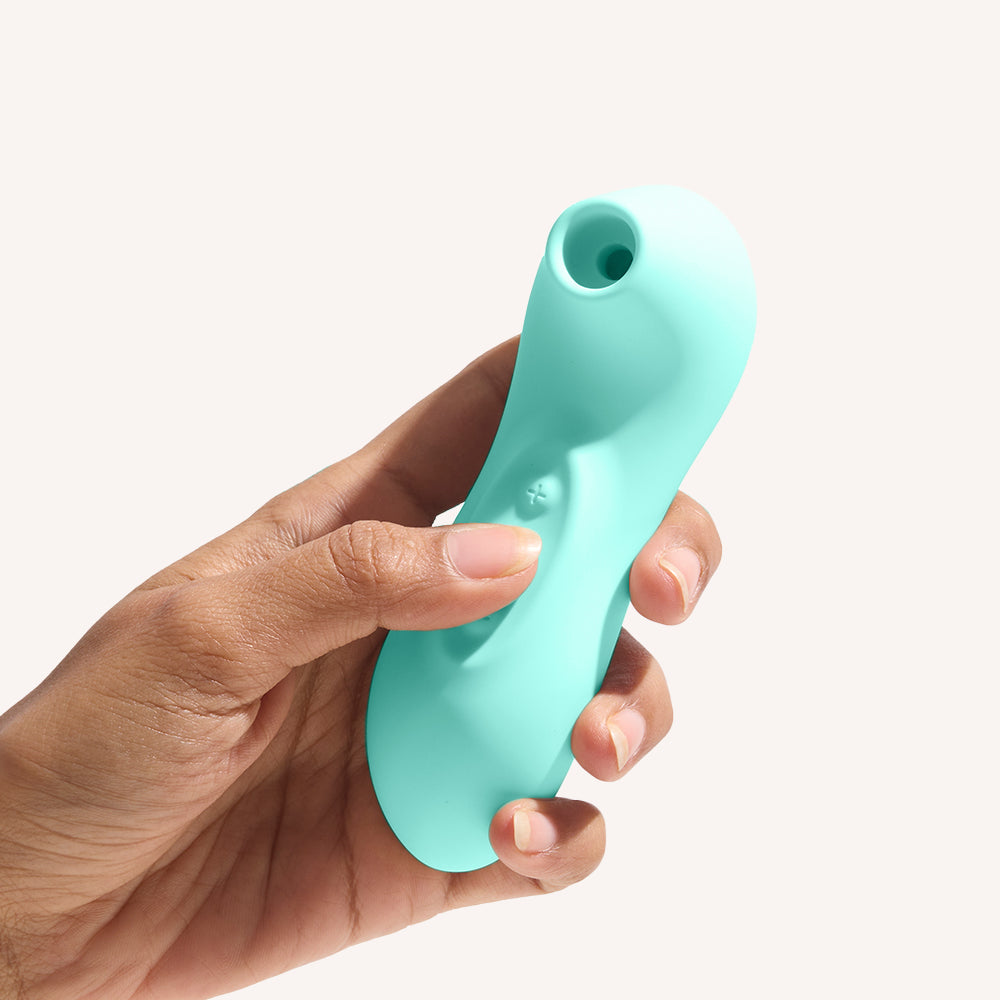
The Flick is designed with first-timers in mind. It's compact, quiet, and has multiple intensity levels so you can start gently and explore at your own pace. Made from premium body-safe silicone, it's easy to clean and store. At Rs 2,999, it's an accessible entry point into the world of intimate wellness products.
MyMuse Beat
Another excellent beginner option, the Beat offers a range of patterns and intensities in a sleek, discreet design. It's waterproof — meaning you can use it in the bath or shower for an extra layer of privacy and relaxation. Body-safe silicone, USB rechargeable, and beautifully packaged.
MyMuse Glide Water-Based Lubricant
A good water-based lubricant makes everything more comfortable and enjoyable — whether you're using a product or just your hands. MyMuse's Glide is pH-balanced, free from harmful chemicals, and compatible with all body-safe silicone products. It's a small investment that makes a significant difference in your experience.
Hygiene and Care
Before and after: Wash your hands thoroughly before you begin. If using a product, clean it with warm water and mild soap both before and after use. Body-safe silicone is easy to sanitise — a quick wash is all it takes.
Lubricant matters: Your body's natural lubrication varies with hydration, stress, hormonal cycles, and many other factors. There's nothing wrong with using a lubricant — in fact, it often makes the experience significantly more comfortable and pleasurable. Choose a water-based formula like MyMuse Glide that's compatible with silicone products and gentle on sensitive skin.
Storage: Keep your products in a clean, dry place. The pouch or box they come in is ideal. This protects them from dust and keeps them discreetly tucked away.
The Emotional Side: Be Gentle With Yourself
This part doesn't get discussed enough. Self-exploration can bring up emotions — and not just pleasurable ones. You might feel vulnerability, guilt, confusion, or even sadness, especially if you've grown up with messages telling you that this part of your body or these feelings are wrong.
If guilt shows up, notice it without acting on it. Ask yourself: whose voice is this? Is it mine, or is it something I absorbed from family, culture, or media? Guilt that comes from external conditioning — rather than from actually causing harm — is worth questioning. You're not hurting anyone. You're getting to know yourself.
If you feel emotional afterward, that's okay too. Physical pleasure can release stored tension and emotions in unexpected ways. Take a moment. Breathe. Drink some water. Be as kind to yourself as you would be to a friend who shared something vulnerable with you.
Journaling after self-exploration — even just a few lines about how you felt, what you noticed, what surprised you — can be a powerful way to build body awareness over time. You don't have to write a novel. Even "that felt nice, want to try that again" or "felt nervous at first but relaxed after a few minutes" gives you a personal record of your own evolving comfort and knowledge.
Common Concerns, Honestly Addressed
Is self-exploration normal?
Yes — completely and universally. It's practised across all cultures, age groups, and genders. Health professionals and wellness experts widely recognise it as a healthy part of human experience. If anything, the only unusual thing is not talking about it — which is a cultural pattern, not a reflection of how common or healthy it is.
Can it affect my health negatively?
When practised with clean hands, body-safe products, and reasonable gentleness, self-exploration is physically safe. Listen to your body — if something feels uncomfortable or painful, stop and adjust. Using proper lubricant and body-safe materials prevents irritation. If you experience persistent discomfort, consult a healthcare provider — but this is rare and usually related to technique rather than the practice itself.
Will this affect my relationships?
Understanding your own body and preferences actually tends to improve partnered intimacy, not diminish it. When you know what feels good to you, you can communicate that to a partner. Self-awareness is a foundation for connection — with yourself and with others. Many couples explore both together and individually as a healthy part of their intimate life.
I tried but didn't feel much. Is something wrong?
Nothing is wrong. Pleasure is not a switch that flips on immediately — it's more like a skill that develops with practice, patience, and presence. Factors like stress, distraction, dehydration, tiredness, and even the time of your menstrual cycle can influence sensation. Be patient with yourself. Try different times of day, different amounts of pressure, different environments. Your body is learning, and that takes time.
What if I feel guilty afterward?
Post-exploration guilt is incredibly common, especially in India where cultural messaging around this topic has historically been one of silence and shame. Recognise that the guilt is learned — it's not evidence that you've done something wrong. With time and continued positive experiences, the guilt typically fades. If it persists and causes distress, speaking with a therapist who specialises in sexual wellness can be genuinely transformative.
Your Body, Your Pace, Your Rules
Self-exploration is a journey without a destination. There's no "doing it right," no milestone you need to hit, no timeline you're behind on. Whether you start tonight or in six months, whether you use products or just your own awareness, whether you feel fireworks or gentle warmth — it's all valid. The only rule is kindness: toward your body, toward your curiosity, and toward yourself. You deserve to know what makes you feel good.
Ready to explore?
When you're ready, MyMuse offers beginner-friendly, body-safe products designed with your comfort in mind. No rush — they'll be here whenever you are.
Shop Now- 100% Body-Safe Materials (Platinum-Grade Silicone)
- Discreet Packaging & Billing
- Trusted by 3.75L+ Customers Across 1,900+ Cities
- 100-Day Warranty on All Products
Last updated: April 2026


